
How to Build a Daily Trading Routine That Actually Works
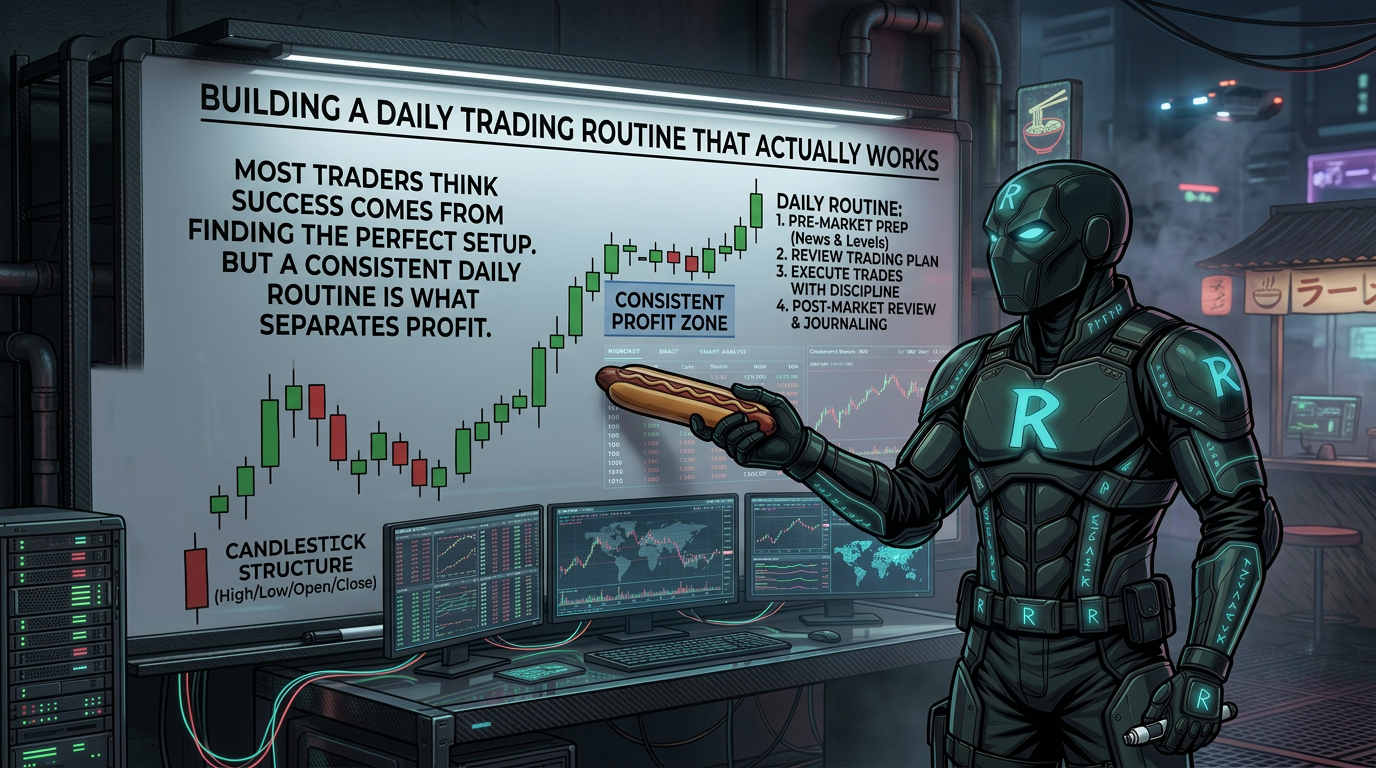
Why Your Routine Matters More Than You Think
A lot of traders focus only on strategy. They ignore the habits that support good trading. The truth is, bad routines lead to bad trades. If you skip your prep, skip your journal, or trade while tired, your results will suffer. Think of trading like a sport. Every day is game day. You need to show up ready. Small habits like working out, sleeping well, and reviewing your trades add up over time. When you skip them, you start breaking rules. When you break rules, you lose money.
The Night Before: Set Your Game Plan
Good trading days start the night before. At around 7:00 PM, sit down and review the daily chart close. Ask yourself: Is the market bullish or bearish? Are key levels being respected? From there, mark out your higher time frame levels. These could be the previous week's high, low, or midrange. They could also be the previous day's high, low, or midrange. These levels guide your decisions the next day. Next, check the economic calendar. Look for news events that could cause choppy price action. Know which days to avoid. Finally, identify key intraday levels where a setup might form. Do not spend more than 30 to 45 minutes on this. Avoid staying up late watching charts. You will burn out before the trading session even starts.
Morning Routine: Prepare Your Mind and Body
Do not go straight to the charts when you wake up. Your brain is not ready yet. Start with 16 ounces of water. This wakes up your body before caffeine does. Have a proper breakfast. Take a short walk or do a quick meditation. These steps clear your head and help you leave yesterday's trades behind. A loss from yesterday should not affect how you trade today. Each trade is independent. When you skip your morning routine, you bring mental clutter to the charts. That clutter causes bad decisions.
The Trading Session: Follow Your Plan, Ignore the Noise
Once you sit down to trade, your job is simple. Execute the plan you already made. First, check if price has traded above or below the midnight open. If you are bullish, you want to see price trade below the midnight open first. That gives you a better entry price. Second, only look for signals that match your daily bias. If you are bullish, ignore all sell signals. Every bearish pattern you see should fail if the day is truly bullish. Use those failed signals as confirmation that you are on the right side. Do not flip your bias during the session. Switching directions intraday is one of the biggest reasons traders lose money. Stick to one idea for the day. If you are wrong, come back tomorrow. There is always another trade.
After the Session: Step Away and Reset
When your trading session ends, close your terminals. Do not leave the charts open. If you stay on the screen after your session, you will be tempted to revenge trade or chase moves you missed. That is how small losses turn into big ones. If you just took a loss, go for a 10 to 15 minute walk. Get away from the screens completely. Come back when you are calm. Then decide if another trade makes sense. Build the habit of closing your platforms every day. It takes discipline, but it protects your capital.
Evening Journaling: Your Most Important Habit
Journaling is what separates traders who improve from those who stay stuck. At the end of each day, record every trade you took. Include screenshots of your entries and exits. Tag each trade by setup type. Write a short summary of what the market did. Then compare that to what you expected. Ask yourself: Did I follow my plan? Did I stick to my rules? Did I overtrade? Most importantly, write down how you felt. Were you calm? Were you frustrated? Were you chasing? Your emotions are data. They tell you when you are on tilt before your account balance does. Being on tilt in trading is like being on tilt in poker. You can blow up your account very fast if you do not catch it early.
Other Daily Habits That Support Your Trading
Trading performance is tied to your physical and mental health. Skipping workouts, eating poorly, or not sleeping enough will affect your decisions. Try to work out at least once a day. Some traders prefer mornings, but intense morning workouts can leave you drained before the session. An afternoon workout can be a great way to close out your day and decompress. Take breaks during the week. You do not need to trade every single day. Professional athletes do not play 250 games a year. Forcing yourself to trade when you are burned out leads to mistakes. Give yourself permission to take a day off.
Frequently Asked Questions
What time should I start preparing for the next trading day?
Around 7:00 PM the night before works well. Review the daily close, mark your key levels, and check the economic calendar. Keep it to 30 to 45 minutes. Do not stay up late watching the charts.
Do I really need to journal my trades every day?
Yes. Journaling is how you spot patterns in your mistakes. It also helps you catch emotional problems like revenge trading before they cost you big money. Even five minutes of journaling at the end of the day makes a difference.
What should I do after I take a loss?
Close your trading terminals and go for a 10 to 15 minute walk. Do not sit at the screen and try to make the money back. Come back when you are calm and then decide if another trade is worth taking.
How do I know if I should be bullish or bearish for the day?
Look at your higher time frame charts the night before. Check if old highs and lows are being respected. Look at fair value gaps and market structure. Form a simple one-sentence bias like 'I expect bullish price action tomorrow' and write it down.
Is it okay to switch my bias during the trading session?
It is usually not a good idea. Switching directions intraday causes a lot of unnecessary losses. If your original bias looks wrong, it is better to close the terminal and come back tomorrow with a fresh plan.
How many hours a day do I need to spend trading?
Three to four hours is often enough for active day trading. If you are swing trading, it could be as little as one hour. You do not need to stare at charts all day. In fact, being on the screen too long increases the chance of bad trades.
Does my physical health really affect my trading?
Yes. Sleep, exercise, and eating well all affect how clearly you think. Skipping workouts or sleeping poorly makes it harder to follow your rules. Treat your body like part of your trading system.
What is the midnight open and why does it matter?
The midnight open is the price level at the start of the new trading day at midnight. If you are looking for a bullish day, you want to see price dip below that level first. Entries below the midnight open tend to give you better fill prices on long trades.